Era Pickleball: Pickleball Court Rentals and More
The first time you walk into Era Pickleball, the air smells faintly of polished boards and fresh court spray, a mix that feels less like a gym and more like a well-kept neighborhood gymnasium you drive past every weekend and always meant to explore. Era Pickleball isn’t just a place to play; it’s a community hub where the sport’s choreography—drills, rallies, and the quiet arithmetic of angles and serve returns—meets a practical, business-minded approach to running a center that can accommodate both casual players and serious athletes. The ethos is simple on the surface: clean courts, reliable availability, friendly staff, and a roster of programming that keeps people coming back. Dive a little deeper, and you’ll find a story about how a pickleball academy evolves from weekend hobbyists to a durable community anchor, with a facility that balances the needs of clinics, leagues, private rentals, and youth development.
What makes Era Pickleball stand out begins with its core purpose: to turn a collection of courts into a practical platform for growth. That growth happens on multiple fronts. On the one hand, the center serves as a training ground where players can tune their footwork, sharpen dinking accuracy, and learn court strategy under the guidance of coaches who have seen more than a few endings to a tough rally. On the other hand, the business side of Era Pickleball is anchored in predictable access. Court reservations, memberships, and event scheduling are designed to minimize friction, so a family can drop in after school, a weekday company can run a casual team-building session, or a tournament director can stage a full event without the usual headaches that plague multi-court facilities.
If you’re evaluating facilities for a local pickleball academy or you’re someone who wants to rent courts regularly, Era Pickleball offers a blend of options that address both the needs of players and the realities of managing a busy calendar. The center’s attention to scheduling nuances matters. In practice, a typical week might feature a mix of open play sessions, structured drills, private coaching slots, and a handful of league nights. All of this requires a robust booking system, clear court signage, and staff who understand the flow of a busy court footprint. You don’t notice the complexity until you try to book a prime slot during peak hours or when a weekend tournament is in full swing. Then the value of a meticulously designed rental structure becomes obvious.
A crucial part of Era Pickleball’s appeal is its middle ground: it’s not solely a tournament house with glossy surfaces and no room for the casual player, nor is it a tiny club that doubles as a weekend hobby shop. It sits in a comfortable middle ground that respects both the competitive impulse and the need for simple, repeatable access. The result is a space where a high-level player can practice precision serves and cross-court lobs one afternoon and, a few days later, a family can introduce a curious kid to the sport through a beginner-friendly session that demystifies the kitchen and reveals how fun a well-placed dink can be.
The practical architecture of Era Pickleball is worth noting. The courts themselves are built with a balance of bounce, traction, and forgiving lines. The flooring is chosen to minimize joint impact during long rallies, a consideration that matters for players who rack up hours on the court. Lighting is even and true, making it easier to track the white ball against a sometimes white background. The nets are taut, the backdrops clean, and the walls not so close that players feel boxed in during aggressive exchanges at the net. In short, the facility is designed to support a predictable, repeatable practice rhythm, which is essential when you’re scheduling clinics that rely on consistent ball travel and predictable ball bounce.
One of the more subtle but meaningful advantages Era Pickleball offers comes in the form of programming diversity. It’s not just about picking a time slot and showing up. The center has cultivated a lineup of offerings that appeal to different life stages and levels of commitment. For beginners, there are introductory clinics that walk through grip, stance, and the basic rules with a patient instructor who can translate the sport’s sometimes counterintuitive etiquette into actionable steps. For intermediate players, there are cadence-focused sessions that push players to refocus on footwork patterns and court positioning while keeping the day-to-day lessons lively and engaging. For advanced players, the academy side can connect members with high-level coaching, video analysis, and even match-play formats that replicate the pressure of tournament settings.
If you’re specifically interested in court rental at Era Pickleball, you’ll find the process straightforward, but not simplistic. The center emphasizes reliability and clarity in pricing, peak-hour policies, and what is included with each reservation. There’s typically an hourly rate that scales with time of day and day of the week, with perhaps a discount for longer blocks or for members. This approach reflects a broader trend in pickleball facilities: setting expectations clearly so that teams, families, and individual players can plan a session without surprise charges or awkward timing edits. It’s the kind of operational discipline that makes it possible to schedule a charity event one week, a youth clinic the next, and a private coaching session after that, all without the calendar becoming a puzzle.
Beyond rentals, Era Pickleball understands that the sport benefits from a healthy ecosystem of education and community involvement. The pickleball academy environment at Era Pickleball isn’t just about what happens on the courts; it’s about what happens within the culture surrounding the sport. Coaches emphasize good sportsmanship, a growth mindset, and a respect for the game’s evolving vocabulary. They’re careful to translate complex tactics into practical tips that players can apply in real rallies, rather than relying on abstract theory. The result is a coaching culture that values incremental progress, even when the scoreboard isn’t favorable on a given day.
A word about the economic realities of running a pickleball center in a competitive market. The lanes of revenue are many: court rentals, memberships, clinics, private coaching, camps, tournament hosting, and sponsorship partnerships. Each lane has its own dynamics. Court rentals depend on consistent demand and efficient scheduling; clinics depend on experienced coaches and a steady flow of students who want structured practice moments; tournaments introduce a different cadence and require careful logistics, including volunteers, referees, and efficient on-site operations. The best facilities, including Era Pickleball, treat these lanes as interconnected rather than siloed. A strong tournament can raise the center’s profile and drum up interest in ongoing clinics, which in turn increases rental demand in the evenings and on weekends. The cycle matters because it’s not just about cash flow; it’s about how you sustain high-quality coaching, maintain safe spaces, and protect the court surfaces over a long horizon.
If you’re exploring whether Era Pickleball is the right fit for your needs, you’ll want to weigh several practical considerations. First, think about your goals as a player or as an organizer. Are you aiming to improve your technical game, or do you need a steady cadence of court time to keep your league running? Do you want access to a structured training program, or are you seeking casual open play with a comfortable facility to drop into when time allows? Your answers will guide how you approach bookings, what you expect from staff, and how you evaluate value over time.
Second, consider proximity and access. For a family balancing multiple activities, a center that offers ample parking, accessible entrances, and easy transitions from a long day to a short practice session can be a meaningful differentiator. Era Pickleball’s location, hours, and the ease with which players can reserve a court can make the difference between a spontaneous weeknight session and a missed opportunity. The convenience factor is not just about moving bodies through a facility; it’s about sustaining the habit of play that adults and children rely on for fitness, social connection, and cognitive engagement.
Third, reflect on the social fabric of the venue. A good pickleball center is a place where you leave a session with more than a sharper forehand; you leave with new connections, a friendly face at the front desk, and the sense that the coaching staff knows your goals. The people behind Era Pickleball contribute to that atmosphere. The staff’s responsiveness, their willingness to accommodate special requests, and their read more ability to adapt to a crowded schedule without compromising safety all contribute to the center’s reputation. People return to facilities where they feel seen, where their improvement is supported, and where they sense that the environment has been designed with care.
As you start to map out a plan for integrating Era Pickleball into your routine, you’ll find that the center’s offerings align with a few practical use cases that tend to recur in real life. A local club might rotate between clinics and match play, using Era Pickleball as the anchor venue for its season. A school might book weekly clinics during a sports period and then rent courts for after-school programs. A corporate team might host a wellness day or a team-building event, leveraging the courts as a venue for friendly competition and collaboration. In each scenario, the center’s structure helps minimize friction and maximize value because the scheduling, coaching quality, and court readiness are attuned to high-traffic usage.
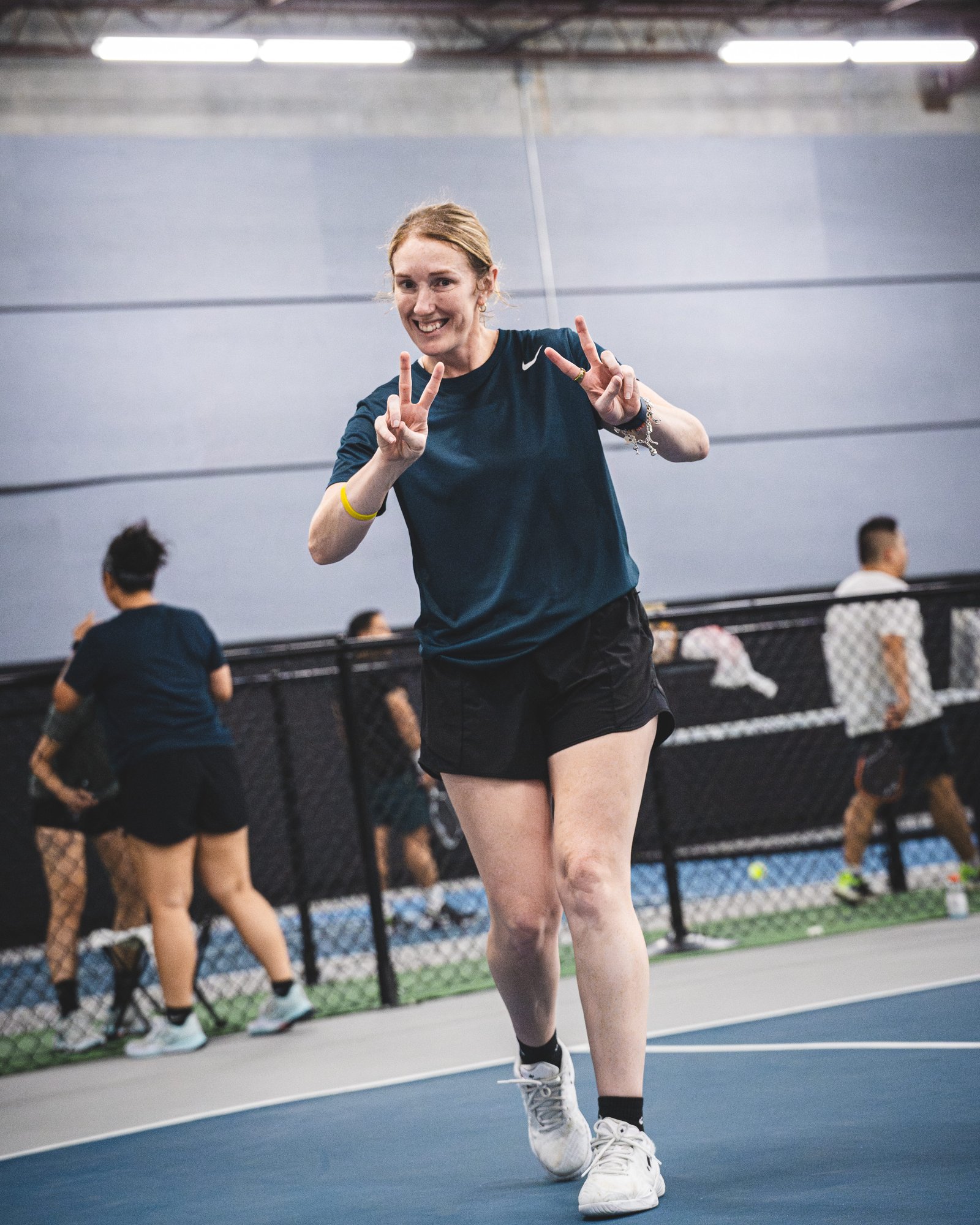
One recurring challenge you may encounter, especially in the peak seasons, is managing waitlists and last-minute schedule shifts. Even with a robust booking system, the reality of a popular sport is that demand can exceed supply at certain times. Era Pickleball handles this by offering a mix of near-term availability and longer lead times for reservations, along with clear communication channels for updates. If a slot becomes unavailable due to a late cancellation, the team can pivot quickly to offer alternative courts or slots that fit a player’s needs. The approach reduces frustration and helps maintain a sense of trust between the center and its community.
To give you a better sense of the day-to-day operational texture, here are two practical slices drawn from the real-world rhythm of the center:
-
Peak hour dynamics: During the after-work window, demand surges as players migrate from office desks to the court. The front desk coordinates with instructors to staff clinics or drills that complement open play, ensuring a mix that keeps the environment safe and engaging. Court surfaces are inspected, nets checked, and lighting reviewed in a routine that feels almost ceremonial because it’s so ingrained in the daily routine.
-
Private rental cadence: For individuals or small groups, private rentals offer a way to optimize practice time. A typical session begins with a quick warm-up drill, followed by a targeted workout focusing on serve returns or transition play. The coach notes adjustments, and players leave with a clear plan for the next session. The transparency of pricing and scheduling makes it easy to sustain a practice habit without surprises.
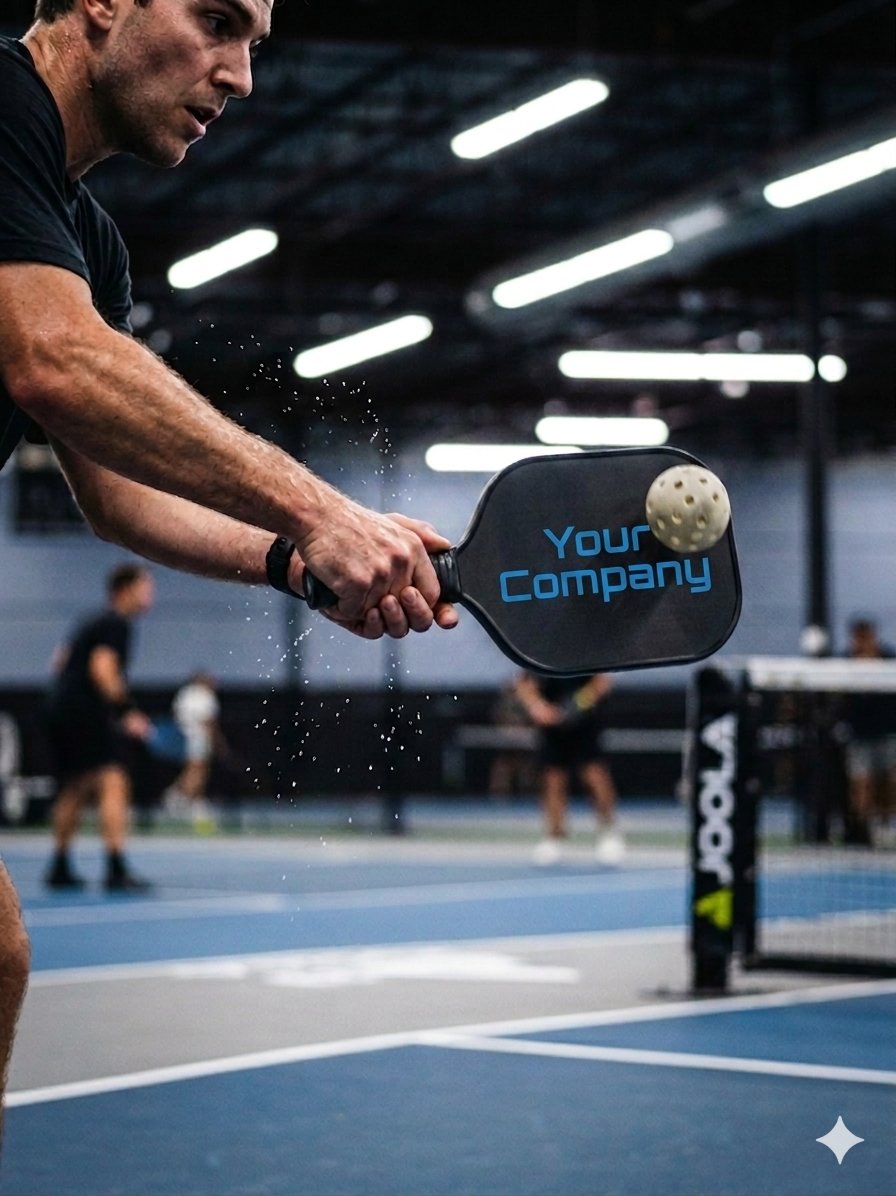
Beyond the practicalities, Era Pickleball is a place where conversations happen as naturally as ball contact. The conversations aren’t solely about technique; they touch on recovery strategies, injury prevention, equipment choices, and the lighter, intangible aspects of sport—the camaraderie that develops when you share a tired smile at the end of a long rally, or the quiet satisfaction of clipping a corner dink that lands just inside the line. These moments are the currency of a thriving pickleball community, and they’re the reasons players keep returning.
If you are thinking about building a broader program around pickleball, you can study Era Pickleball as a case study in scalable community sports. The center demonstrates how a well-managed facility can support a dense schedule of activities without sacrificing the quality of the coaching or the safety of players. The balance is delicate: you want enough variety to keep people engaged, but you do not want so many options that the staff’s attention becomes diffused. Era Pickleball seems to strike a thoughtful balance between breadth and depth, offering a spectrum of opportunities while maintaining an anchor point in solid coaching, court maintenance, and consistent customer service.
The center’s approach to equipment and maintenance is another practical area worth highlighting. A pickleball academy thrives not only by delivering good instruction but by ensuring that the tools used in training remain consistent week after week. For example, the choice of paddles for beginner clinics matters as much as the choice of balls for a high-intensity drill. The flooring finish must withstand the wear of hundreds of players per day, and the nets must stay taut through aggressive rallies. These details influence the quality of practice and the confidence players bring to each session. Era Pickleball manages this through a careful rotation of paddles and balls, routine court cleaning, and a maintenance schedule that is visible to staff and players alike. It’s a small but meaningful part of the experience that quietly reinforces the center’s reliability.
The broader takeaway for anyone exploring the pickleball ecosystem is that facilities like Era Pickleball are not just about physical space. They are about the infrastructure that supports consistent, repeatable practice, pathways for progression, and a culture that values both competition and community. If you carry a desire to connect with others through sport and to advance your game in a setting that respects your time, a well-run center can be a powerful partner. The best of these centers, including Era Pickleball, operate on a simple premise: make it easy to come, make it easy to learn, and make it easy to stay.
For those who are curious about the trajectory of Era Pickleball’s growth, there’s a logical narrative in the way the center expands its offerings over time. It typically starts with the basics—a robust open play schedule and a few entry-level clinics—before gradually layering in more specialized programs. As players move from beginner to intermediate levels, the center can deploy more targeted coaching, video analysis, and strategic matchplay formats. When a community demonstrates enthusiasm for competition, Era Pickleball can host leagues and tournaments that draw participants from neighboring towns, strengthening the center’s role as a regional hub. The growth pattern mirrors the sport’s own arc: accessibility first, then depth, then a broader network of players who see the center as a reliable home base for their development.
The human side of the business matters just as much as the technical. A facility can have the most polished courts in the world, but if players do not feel welcomed and supported, the energy dissolves quickly. Era Pickleball’s staff frequently engages with players in a way that signals genuine interest in their goals. They listen, adapt, and, when appropriate, steer players toward a program that will help them progress. That willingness to listen translates into retention, which in turn makes the scheduling and programming more meaningful. When players know there is a consistent voice behind the desk, a flexible schedule, and a coaching staff that understands their aspirations, the ties to the center strengthen.
In the final analysis, Era Pickleball embodies a practical, human-centered approach to a sport that is still relatively young but growing fast. It demonstrates how a pickleball academy can become more than a place to learn the sport; it can become a social lot where people form friendships, explore new routines, and discover a sport that rewards both discipline and play. The rental side of the operation complements this story by providing predictable, user-friendly access to a set of courts that are well cared for and reliably available. The interplay between academy-style coaching and court rental logistics creates a virtuous cycle: players are drawn to the coaching, the coaching relies on consistent access to courts, and the rental system is designed to support that consistency rather than undermine it.
Ultimately, Era Pickleball invites players to imagine a different way of approaching sport, one in which practice time, coaching quality, and accessible facilities converge into a sustainable habit. For families balancing schedules, for clubs looking to anchor their leagues, for individuals seeking to sharpen a backhand slice or improve a serve, the center offers something that is more than the sum of its parts. It is a space where the sport can be learned and loved in a way that respects both the ambition of the serious player and the joy of the casual participant. If you are near the area and want to explore the possibilities, Era Pickleball stands ready to welcome you, to show you the courts, and to connect you with coaches who speak the language of your goals.
Two glimpses of everyday reality illustrate the texture of this place. A parent arrives with a beginner child, the child’s eyes wide with curiosity as they grip a paddle for the first time. The staff person explains how to stand, how to swing, and why the ball always travels toward the net when the paddle makes contact. A few courts away, a corporate team uses the arena for a lunchtime morale boost, water bottles lined up along the sideline, colleagues competing with a mix of light-hearted banter and competitive spirit. The moments are small, but they accumulate into a larger narrative about what it means to make space for sport in a busy life. Era Pickleball knows that those everyday experiences are the backbone of a living, breathing community of players, learners, and friends.
If you’re reading this and weighing whether to trust Era Pickleball as your next training home or rental destination, consider the intangible benefits as part of your decision. The facility’s strength lies not merely in its physical assets but in its ability to translate a shared love of pickleball into a reliable, welcoming experience for people at all levels. That combination—practical reliability coupled with a culture of encouragement—creates a foundation that can support your game and your schedule for years to come. In a sport that rewards repetition, patience, and precise movement, Era Pickleball provides a steady platform from which you can grow.
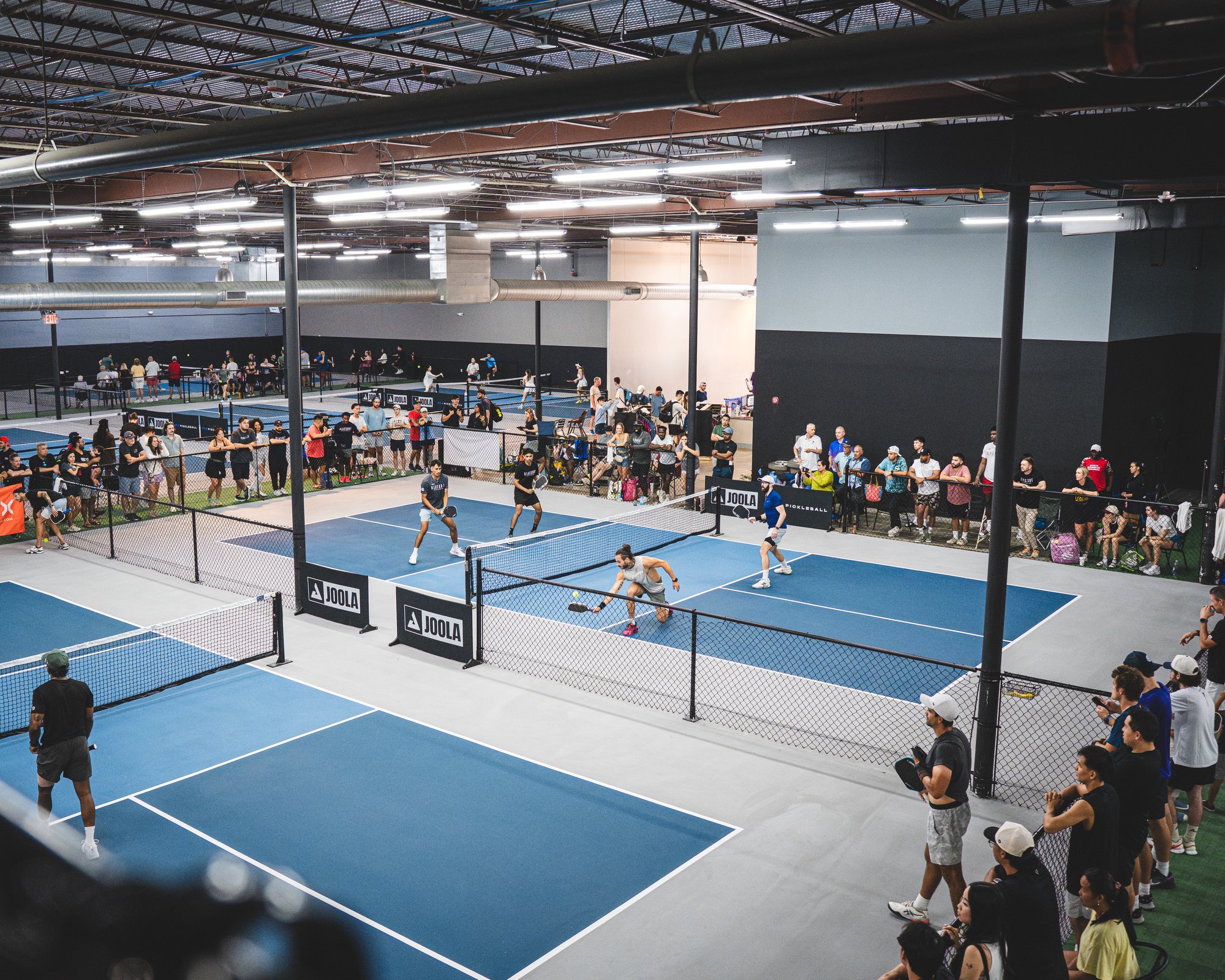
Two final notes for decision-makers. First, ask about the center’s process for introducing new players to more advanced formats. Is there a guided pathway that helps beginners graduate to faster, more strategic play? Second, inquire about event support. If you’re organizing a tournament or a clinic, understand what resources the center can provide beyond court time: staffing for scorekeeping, equipment, and logistical support for check-in and awards. A well-run facility will not only supply courts but also help you orchestrate the event so that the competition remains fair and spirit-driven.
In closing, Era Pickleball stands out as a thoughtful blend of athletic development and community logistics. It demonstrates how a pickleball center can function as a training ground, a social venue, and a reliable rental hub all at once. For players and organizers seeking a dependable, well-managed space to learn, practice, and compete, Era Pickleball offers a compelling proposition grounded in real-world experience and a clear understanding of what it takes to sustain a healthy, thriving pickleball ecosystem. If this aligns with your needs, a visit to era pickleball is well worth your time, and you may find that the first touchpoint becomes the beginning of a longer, fruitful relationship with the sport—and with the community that grows around it.