erapickleball.com Pickleball Academy: Pro-Level Drills
The first time I walked into era pickleball and watched the pros drill, the sound of contact and the rhythm of the feet told a story more than any coaching manual ever could. The court becomes a language, and the drills at era pickleball academy translate that language into muscle memory, into predictable patterns that survive the chaos of a tournament rally. This article is less about flashy tricks and more about the practical scaffolding that supports high level play. It’s about how a pickleball academy like erapickleball.com builds skill, then tests it under pressure, and finally integrates it into a player’s strategic repertoire.
If you have ever wondered what separates good players from great ones, you’ll find the answer in the details—the way a serve sets up the first shot, the tempo of a dink exchange, the attention to footwork when a ball slides off the paddle face. The era pickleball program has grown into a center where coaching is precise, equipment is considered, and every drill has a purpose beyond its surface appearance. It’s not about chasing novelty. It is about growing consistent decision making under fatigue, with an eye toward tournament reality.
The academy’s approach blends methodical progressions with real match scenarios. You begin with foundational movements and shot families, then layer in pressure, rhythm, and decision trees that show up in the last two minutes of a tight match. You learn not just what to hit, but when to hit it and why. It is this integration of technique, tempo, and tactical awareness that gives players a durable edge.
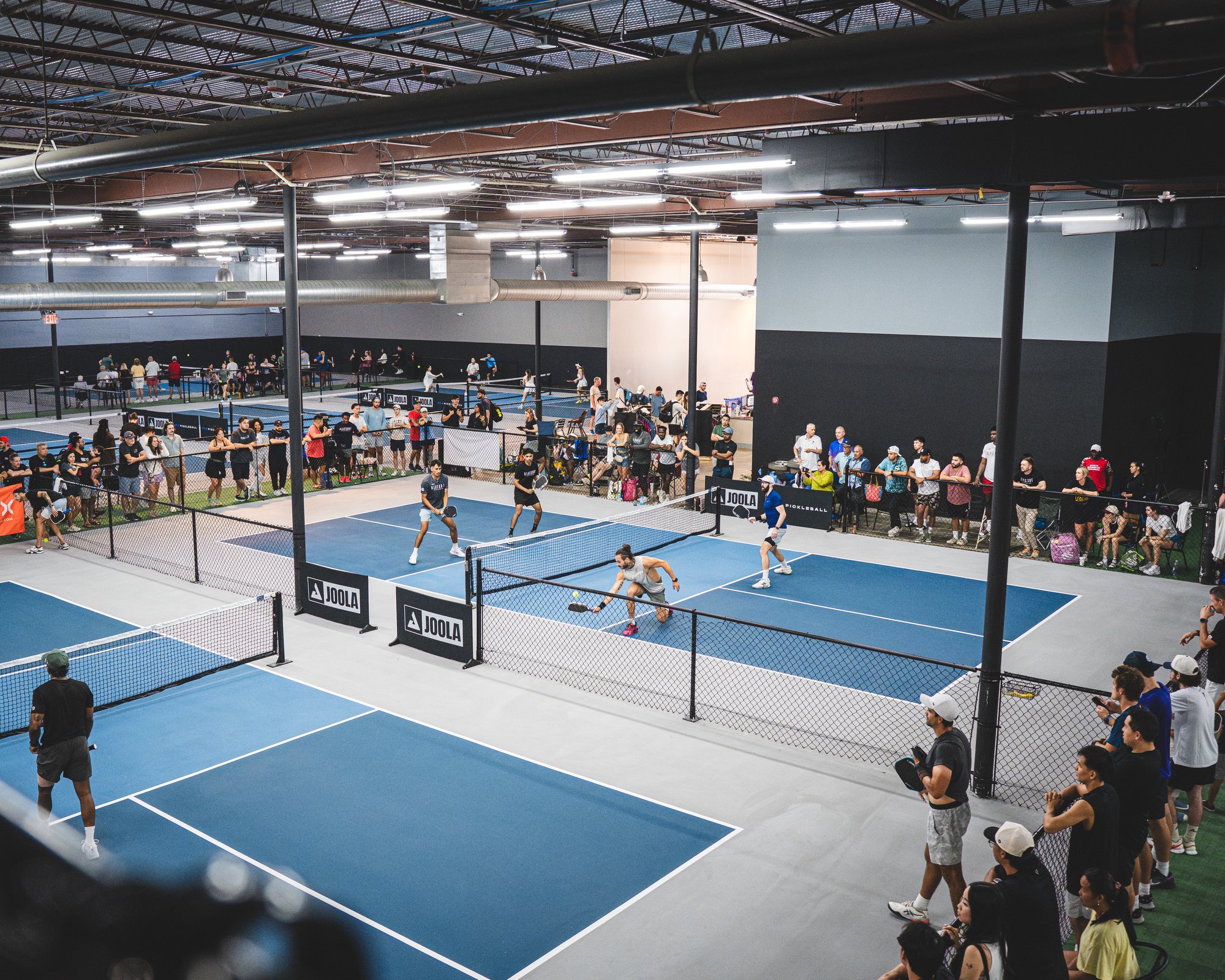
Foundations that sustain pro-level drills
In club practice, a lot of coaching tends to revolve around what to do in the next rally. At era pickleball academy, the emphasis shifts toward what a player can do when the scoreboard tightens, when nerves prick, and fatigue wears down hand speed. The drills are designed to reinforce the right reflexes under stress and to cultivate a deliberate, repeatable approach to shot selection.
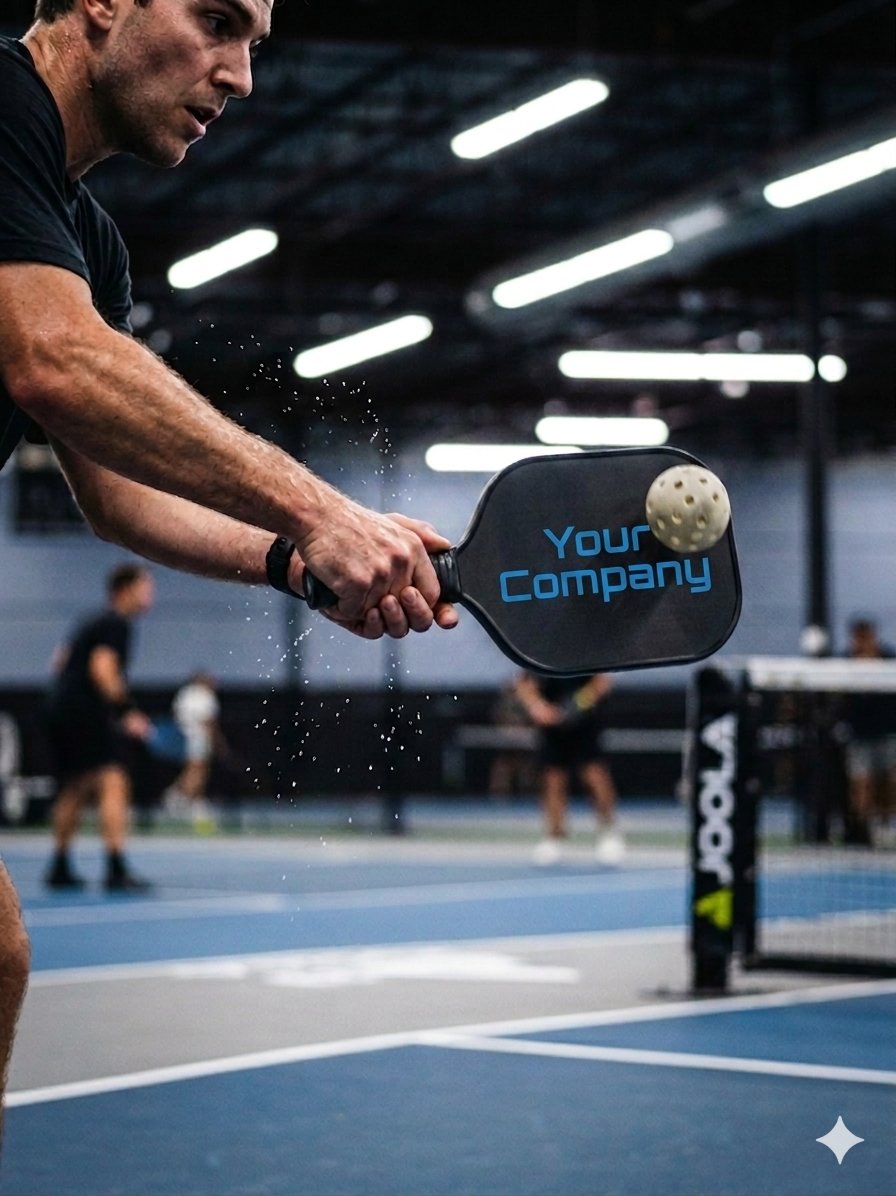
The coaching staff treats the court like a classroom where the paddle is a pen and the ball is a piece of chalk. They map out the shot-making process from every contact point. It starts with stance, balance, and weight transfer. Footwork is trained as a series of micro-movements that keep hips open to the court, shoulders square to the net, and the paddle in the optimal position to meet the ball with the desired angle. The aim is to reduce wasted motion and to improve reaction time in both forehand and backhand exchanges.
The philosophy at eras pickleball center is simple but demanding: build reliable mechanics first, then layer in options. A reliable dink, for example, is not just lightly tapping the ball into a corner. It is a deliberate choice about pace, height, depth, and the opponent’s probable response. When you can execute that intelligence on a consistent basis, your late game decisions become less about improvisation and more about control. It’s this elevation of control that distinguishes a pro-level drill set from a recreational practice.
A practical path through the wall of pressure
Drills at era pickleball center are designed to create a “pressure profile” across practice sessions. In other words, you simulate the intensity and tempo of a match while maintaining a clear lens on technique. The first layer is consistency—keeping the ball in play, limiting unforced errors, and establishing a reliable baseline. This is essential for players who want to compete in the higher levels, where one miscue can swing the momentum.
Once consistency is established, the drills push into velocity and placement. Not every drill is about blasting winners; many are about forcing the opponent to react and then exploiting the gaps created by their reactions. You learn to accelerate the paddle through the ball without losing control, to adjust the paddle angle in an instant, and to recognize the telltale patterns of a defender who is trying to force a midcourt error.
Pairing drills with tactical applications is where the academy shines. The coaches use a simple framework: what is the ball doing, where is the opponent, and what is the most efficient weapon to exploit that position. The result is a practice environment that teaches proactive decision making, rather than reactive improvisation. When players leave the court, they carry with them a mental map of how to approach different players and how to pivot when a plan stops working.
The rhythm that players cultivate on the court
A signature of the program is the deliberate pacing in drills. There is a cadence to practice that mirrors competition: a warm-up to prime the body, a technical block to lock in form, a transition period to apply the same movement patterns at game tempo, and a pressure phase that replicates the last two points in a tight game. This rhythm matters because it conditions players to remain calm under duress and to imagine a sequence of shots rather than a single ball in isolation.
The coaches emphasize how to ride the tempo rather than chase it. You learn to maintain a consistent rally, resisting the urge to overhit when the pace increases. You also learn to shift gears, stepping back to a slower pace when needed to reset, then stepping forward again with purpose. It’s a mental discipline as much as a physical one. The effect appears in tournament rallies where strong players stay even-keeled through lengthy dinks and patient point construction, slowly imposing their will through accuracy and timing.
Two core drills that anchor pro-level practice
To give you a sense of the kind of workouts that drive improvement at erapickleball.com, here are two anchor drills that recur across many sessions. They are simple to describe, but their effect compounds over weeks of training.
-
The controlled rally ladder In this drill two players rally with a constrain that grows progressively more demanding. They begin with short, soft exchanges aimed at keeping the ball low and deep into the opponent’s backhand corner. After a handful of passes, the constraint tightens: the ball must stay in the kitchen area for a set number of exchanges, then transition to mid-court drives that require precise placement. The ladder continues with an emphasis on returning balls out of reach, forcing the partner to chase and reset. The point is not to win every exchange but to maintain a predictable rhythm and to practice identifying the right moment to escalate pace. The ladder teaches players to control tempo, which is as valuable as any single shot.
-
the corner pressure drill This drill centers around a dink-and-drive pattern aimed at burying the opponent in one corner and then exploiting the open space on the opposite side. A partner feeds a sequence that starts with a soft dink to the near corner, followed by a quick, controlled drive to the opposite corner. The defense must adjust, and the attacker looks for a passing or a sharp cross-court angle to finish. The emphasis is not on power but on the psychological and spatial pressure that opens the court. It trains players to create options, read the defender’s response, and keep the rally moving with intent. It sounds straightforward, and that is exactly the point. The simplicity hides the depth of decision making that appears later in matches.
These drills are not just workouts; they are diagnostic tools. Coaches watch how a player handles the constraints, where their decisions slow down or accelerate, and which textures of ball they default to under pressure. The insights gained inform subsequent sessions, ensuring that each practice builds toward a visible improvement on the scoreboard.
Beyond drills: equipment choices, venue and scheduling
The Era Pickleball academy provides more than a series of drills. It is a comprehensive training ecosystem that considers venue layout, court surfaces, and the tiny conveniences that accumulate into real-world performance gains. A well-designed practice space matters. It influences footwork patterns, the way players read spin, and how easily they can execute quick transitions between shots. The center pays close attention to lighting, floor grip, and the positioning of balls and paddles so that practice flows smoothly from drill to drill without interruption. The cadence of a session, from warm-up to cool-down, is timed to maximize energy management and focus.
In terms of equipment, the staff’s approach is practical rather than dogmatic. Paddles are chosen to suit the player’s size, stroke style, and the level of control they want to develop. The court surfaces are kept in good condition, with regular checks for wear that could affect bounce or footing. Players are encouraged to experiment with different grips and contact points to understand how those micro changes ripple through their game. The goal is to help players internalize a stable baseline of technique while retaining the flexibility to adapt when the match demands a different approach.
Court rental at era pickleball center is designed to be straightforward and reliable. The booking process is transparent, with clear information about court availability, equipment rental, and any facility guidelines. For players who travel or train independently, that reliability matters. The goal is to minimize friction so the practice time can be spent on meaningful work rather than logistics.
From drill progress to tournament results
If you’re contemplating how to translate a pro-level drill regime into tangible results, the answer lies in consistency and gradual escalation. The academy’s approach recognizes that progress in pickleball is rarely a straight line. You can plateau for a stretch, then suddenly execute a sequence you have practiced hundreds of times with cleaner footwork and sharper anticipation. The advantage of training at a place like era pickleball academy is that you are surrounded by players at or near your level, coaches who know how to read a rally, and a feedback loop that helps you course correct quickly.
A real-world view of the path from drills to wins goes like this: early sessions establish a reliable dink and a steady reset, then you begin to layer in controlled aggression that presses the opponent off their preferred shots. You measure improvement not only by what you win but by how often you force your opponent into a position where they must improvise under constraint. In time, your ability to anticipate the opponent’s choices improves, and your decision-making process becomes faster and more accurate.
The benefit of playing in a pickleball academy ecosystem
Beyond the mechanics of drills, there is a social and strategic layer to training at era pickleball center. You find yourself in a community that values precise feedback, objective performance metrics, and thoughtful experimentation. The coaching culture promotes openness to new ideas while maintaining a critical eye for what actually moves the needle in competition. You observe how players at different stages of their careers approach the same drills and how they adapt to their bodies, their nerves, and their tactical preferences.
The academy’s structure supports growth in multiple dimensions. Physically, players improve endurance, hand speed, and shot precision. Mentally, they develop a sharper court sense and a more deliberate approach to point construction. Technically, their mechanics become more efficient, and their weaponry gains clarity and depth. Strategically, they learn to mesh shot selection with positional play so that every rally builds toward an endgame advantage rather than a random sequence of hits.
Real-world anecdotes from the court
One season, a high-potential beginner joined the program with solid fundamentals but limited tournament exposure. The coaches diagnosed a tendency to rush feet and push the paddle forward prematurely, a tendency that created a fluttery ball and a lack of control on drives. Through a steady diet of the ladder and corner pressure drills, the player learned to slow the transition, to set the paddle angle early, and to keep the ball in the optimal contact zone longer. Over several weeks, the improvement was dramatic. The ball became heavier, the pace more deliberate, and the player’s confidence rose in tandem with their results on the scoreboard.
Another tale involves a player who had good reach but struggled with consistency in late rallies. The staff emphasized the importance of balance and weight transfer during dink exchanges, highlighting how a tiny shift in hips could alter the ball’s trajectory. After a month of practice that focused on the same pair of drills, the player began to close out more rallies with precise, well-timed drives that followed smart placement rather than raw power. The small changes in technique, reinforced by consistent repetition, translated into meaningful gains in competitive situations.
Guidance for players considering the era pickleball academy experience
If you are evaluating whether a pickleball academy like Era Pickleball is right for you, start by identifying your goals. Are you chasing consistent high-level execution, or are you more focused on tactical development for specific opponents? The best programs tailor drills to the player’s objectives while maintaining a rigorous standard of technical precision. If you want to be prepared for the next tournament cycle, seek a place that prioritizes physical conditioning, shot selection, and the mental discipline that keeps you resilient when the score tightens.
The scheduling rhythm matters as well. Regular, structured practice sessions build routine and accountability. The most effective programs blend on-court training with video analysis or debriefs that translate what happened in a rally into concrete adjustments. A good academy will not only describe what to do but show how to do it well, then let you test that improvement in live, pressure-filled situations.
The question of accessibility also comes into play. A fully read more equipped pickleball academy, like the one offered by erapickleball.com, can be an intense environment. It is not just about talent; it is about time management, travel logistics, and the willingness to invest in extended practice blocks. If your schedule allows, a month of consistent training can yield noticeable returns, both in your technical repertoire and your ability to read the court.
A few practical pointers if you plan to train at a pickleball center
- Prioritize footwork drills that emphasize balance and body position as you move. The feet carry every other technique, and a bad footwork pattern is hard to untangle later.
- Focus on contact points and paddle angle as you practice your dink and drive exchanges. Small adjustments here compound quickly.
- Use the practice environment to test new ideas in a controlled setting before attempting them in a match. Not every experiment will work, but every experiment teaches something.
- Record a few practice sessions for later review. Even a few minutes of playback can reveal habits you may not notice in the moment.
As you progress, you’ll find the cadence of practice becomes a second language. You begin to identify your personal patterns, your favorable shot sequences, and the exact moments when you can impose your will on a rally. The process requires honesty with yourself and openness to feedback. The best players I have watched train with intention, then translate that intention into results on the scoreboard.
A final reflection on pro-level drills and the culture of improvement
What makes the pro-level drills at era pickleball academy so compelling is not just their technical rigor but the clarity of purpose behind each exercise. Every drill has a narrative. It asks a question about your game and then provides a disciplined path toward an answer. The cadence, the constraints, the field of play all contribute to building a player who can think ahead, move with efficiency, and maintain composure when the stakes rise.
If you want to know what it feels like to train in a space designed for growth, consider the blend of technique, tempo, and tactical awareness you will encounter. It is a place where the simple acts—paddle on the ball, feet on the court, eyes on the target—are elevated to a level of precision that makes you not just a better player but a smarter competitor. The program at era pickleball academy has a way of turning repetition into resilience and repetition into confident decision making under pressure.
In sum, the drills you encounter at the era pickleball academy are more than exercises. They are instruments for shaping a game that endures. You learn to orchestrate the court as a canvas, using measured speed, controlled angles, and thoughtful placement to keep the rally alive and to crack open opportunities when they arise. It is a practical, tested approach to developing a durable skill set that stands up in the most challenging matches.
And so the journey continues. Each session builds on the last, each drill reinforces a truth, and each rally becomes a step toward mastery. For players who want to raise their game into the pro realm, the path through the Era Pickleball pickleball center and its comprehensive drill ecosystem offers more than technique. It offers a framework for thinking, a culture of improvement, and a clear route toward consistent, meaningful results in training and competition.