Exploring Era Pickleball Indoor Courts in Your City
When I first started playing pickleball seriously, I learned a hard truth early: the court matters almost as much as the paddle in your hand. The surface, the lighting, the cadence of play, even the ambient air in a gym can tilt a match from enjoyable to frustrating in the span of a single rally. Over the years I’ve spent countless hours on indoor courts, measured pros and cons, and watched a few facilities become favorites not because they had the flashiest branding but because they got small things right. Era Pickleball, with its growing footprint of indoor courts, has influenced more than a few players to rethink where they lace up and how often they can train without weather getting in the way.
If you’re scanning your city for Era Pickleball indoor courts, you’re already ahead of the curve. Indoor venues solve a set of challenges that outdoor courts can rarely address: consistent temperature control, predictable bounce, and the kind of atmosphere that invites a weekend league as much as a midweek practice session. The question you might ask yourself is not merely “Is there a court nearby?” but “What kind of indoor court experience does Era Pickleball typically deliver, and how do I pick the facility that best fits my goals as a player?”
This article aims to blend real-world experience with practical guidance for finding, evaluating, and getting the most out of Era Pickleball indoor courts in your area. I’ll walk you through what to expect, what to look for, and how to approach the decision from a player-first perspective. You’ll also encounter a candid look at the trade-offs that come with indoor venues, from cost dynamics to schedule flexibility, so you can make a choice that sticks.
A practical sense of place: the vibe of Era Pickleball indoor courts
One of the first things you notice when you walk into an Era Pickleball indoor facility is the rhythm of the space. The floors tend to be well-maintained, usually with a sprung or cushioned surface that offers a predictable bounce without being feathery. The walls are often a muted color that reduces glare, a small but real comfort when you’re chasing a tight volley. Ceiling height matters more than you might think; in many facilities, you’ll find a court layout that minimizes interference from overhead structures, which makes lobs a viable strategy rather than an afterthought.
Lighting is another critical piece. You want clean, even illumination that doesn’t cast hard shadows across the court. If you’ve ever played in a gym where the lighting changes with the time of day or where reflections off varnished surfaces create distracting glare, you understand why good lighting is non-negotiable for indoor play. Era Pickleball venues that invest in high-CRI LEDs and properly angled fixtures tend to deliver a cleaner, more consistent playing experience. It’s not just about brightness; it’s about evenness and color accuracy so that you can read spin and ball tracking with confidence.
The noise profile inside a pickleball-centric gym matters too. A well-designed indoor court complex manages acoustics in a way that doesn’t feel like shouting is part of the sport. You’ll hear the soft clack of paddle on paddle, the rhythm of the dinks, and the occasional cheer without the space turning into a loud echo chamber. In practice, a good indoor Era Pickleball facility creates a sense of focus, even in the middle of a busy weekend.
Another practical aspect is the court surface itself. Most indoor facilities use high-quality mats or composite flooring engineered for consistent ball bounce and reduced ankle strain. The texture should feel right underfoot, not sticky when you’re sprinting to the kitchen or dinking short to reset the point. A well-kept surface also reduces the risk of slips or sudden, awkward slides during rapid transitions. You can often gauge this in a first session by paying attention to how your shoes grip and whether you have to adjust your footwork mid-rally.
Staff, leagues, and the social fabric
Indoor courts thrive on a simple ecosystem: good surfaces plus a reliable schedule plus a welcoming culture. In Era Pickleball spaces, you’ll notice a few recurring threads. The staff tends to be approachable and knowledgeable, able to answer questions about court reservation systems, league formats, or court etiquette without an air of superiority. The best venues have a front desk that knows the pulse of the playing schedule—when the popular time slots fill up, how many open courts you can expect, and what the options are if you want to squeeze in a last-minute match.
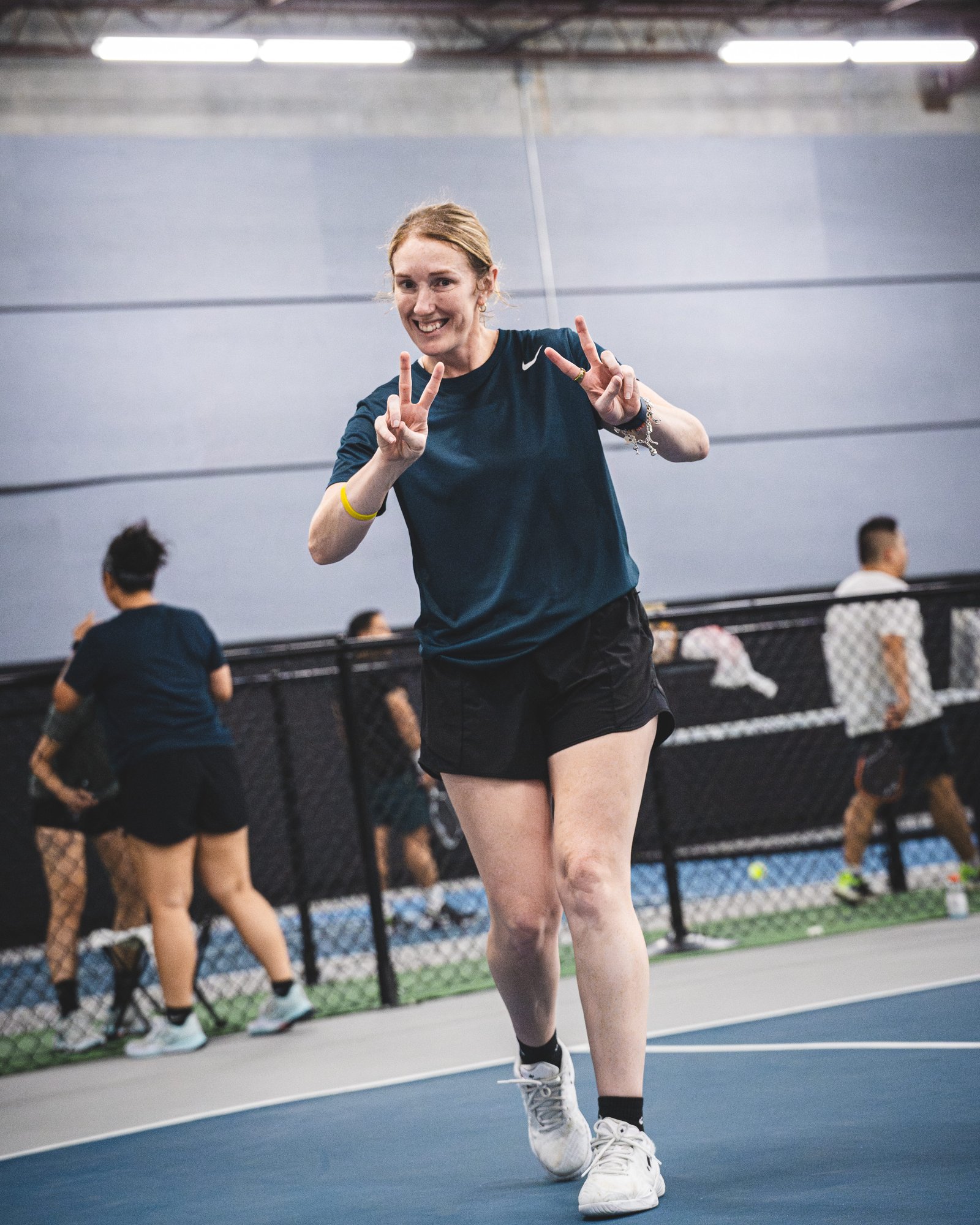
Leagues are a key magnet for indoor venues. If your city’s Era Pickleball presence includes weekly rounds, you’re likely to bump into players across skill levels, from beginners to seasoned tournament regulars. The social fabric matters because you want a place where you can grow as a player without the anxiety of harsh, non-supportive environments. A well-run league will have clear standings, fair rotation, and a pragmatic approach to substitutions and rain-out contingencies, even though rainouts are less of a concern indoors, the scheduling hiccups can still crop up.
Amenities and practicalities
Beyond the court itself, the everyday conveniences of an Era Pickleball indoor facility shape your experience more than people realize. On a practical level, look for:
- Reservation systems that are intuitive and reliable, ideally with online access and a mobile-friendly interface.
- Reasonable access to paddles and balls for players who forget gear or are trying out the sport for the first time. This is especially helpful for newcomers who want to try a game without committing to a full equipment purchase.
- Comfortable viewing areas for spectators and families who want to watch from a distance while a couple of courts stay in constant use.
- Clean locker rooms and well-kept restrooms, a small but essential detail that affects how you feel stepping onto the court day after day.
- A well-stocked pro shop or designated gear corner where you can grab essentials, from replacement grips to spare dampeners, without a long detour.
When a venue nails these elements, you feel it in the way the space flows. It’s not a single feature that makes a difference; it’s the cumulative effect of a solid schedule, friendly staff, dependable equipment, and a comfortable environment.
What to expect when you start playing at a new Era Pickleball indoor court
Assuming you’ve found a nearby Era Pickleball indoor court that checks the practical boxes, you’ll want to pencil in a few expectations for your first few sessions. Indoor play tends to accentuate certain dynamics that might be less prominent outdoors. A few examples from my own experience:
- The ball tends to bounce true, which makes long rallies and patient point construction a more reliable approach than on windy outdoors courts. You can work on your dinking game with less fear that wind or sun will force unusual shot selections.
- Footwork becomes critical, particularly in the transition from baseline to kitchen. You’ll quickly notice the difference between a well-maintained court and a surface that grabs your shoe at inopportune moments.
- The pace of play can shift based on how many courts are in use and how the league schedules are stacked. Expect evenings to be busier and weekends to be the time when you can grab the exact slot you want unless you plan ahead.
- Noise and ambient light can influence your focus. A venue that prioritizes a calmer ambiance makes it easier to dial into your target shots, especially during longer sessions or when you’re practicing with higher-level partners.
If you’re new to the sport or returning after a stretch, indoor environments can be a friendly accelerator. The predictability of bounce reduces one axis of uncertainty, and that steadiness often translates into higher-confidence shot selection, which is how you build a consistent game.
A practical guide to choosing the right Era Pickleball indoor facility in your city
Let’s translate all that into a practical approach you can apply this weekend. If you’re deciding where to play, consider a few grounded questions and observations:
- How easily can you book a court? A clean, intuitive online system saves you from last-minute scrambles, and it helps if the venue offers a few different time windows across the day so you can slot in practice or a quick match during a lunch break.
- What is the bounce and speed profile of the courts? If possible, ask staff or players about the court surface and the typical ball bounce. A firm yet forgiving surface helps a lot for advanced players while remaining accessible for newcomers.
- Are the lighting and acoustics conducive to focus? You’ll be surprised how much a glare-free court and reasonably controlled acoustics contribute to your mood on the court.
- What leagues and programming exist? If your goal includes competing or simply meeting more players, a venue with regular leagues and clinics can be a major advantage.
- How convenient is the location and the schedule for you personally? Proximity matters because the best court in town is the one you actually use, not the one you wish you could get to more often.
If you want to go deeper into the decision, a practical approach is to visit a couple of facilities during peak and off-peak hours. Talk to players in the lobby, observe how the staff handle check-ins, and watch a few games on adjacent courts. A few minutes of observation will often reveal the facility’s strengths and gaps in a way a brochure never can. And if you find a venue part of a broader Era Pickleball footprint, you can start to map out a longer-term plan for your training and social calendar.
The financial side: understanding the economics of indoor courts
One practical reality of indoor courts, especially in a nationwide network like Era Pickleball facilities, is how membership models and court fees shape your long-term commitment. You’ll encounter a spectrum from pay-as-you-go casual access to monthly memberships that unlock multiple courts and priority booking. The upside of memberships is predictable budgeting and the ability to lock in slots during high-demand times. The trade-off is rigidity; if your schedule shifts or you travel frequently, the monthly fee can feel like a sunk cost.
If you’re deciding between two venues that are about the same distance from home, look beyond the posted hourly rate. Consider how often you’ll be able to use the court given your weekly routine. A facility that offers a modest membership with a handful of guest passes can be a smarter choice for someone who wants to practice weekly but also travel or take time off for a busy work period. I’ve found that the most sustainable plans come from facilities that blend predictable monthly dues with flexible day-use options, so you’re not locked in during a month with a heavy travel schedule.
Another subtle cost factor is the gear ecosystem. If your chosen Era Pickleball indoor court provides ready access to paddles, balls, and grip tape, you’ll save both time and money. For newcomers, this is particularly valuable because it lowers the barrier to entry and reduces the friction of trying out new equipment before committing to a full kit.
The social and community dimension
Pickleball has a way of crystallizing a community around the court. Indoor Era Pickleball spaces tend to be hubs where players share tips, celebrate improvements, and push one another to try new drills. The social dynamic matters because it influences how often you show up, how quickly you get better, and how much you enjoy the process. A friendly hard-core rival can be a powerful motivator, especially in the quieter hours when you’re not chasing a tournament schedule.
If you’re moving to a new city or exploring a new district within your metro, look for Era Pickleball indoor courts that have a visible footprint in the local playing community. A familiar face behind the desk, consistent social media updates about clinics or round-robin events, and a clear calendar of activities are signs you’re stepping into a space erapickleball.com that prioritizes ongoing participation and growth. In my experience, the best venues treat players as part of a living, evolving ecosystem rather than as mere customers.
Two practical paths for ongoing improvement
If you want to leverage Era Pickleball indoor courts for sustained improvement, you have two clear paths that pair well with most facilities:
- Structured practice with a plan. Book a recurring block of time with a partner or coach and set a weekly micro-goal. For example, one week you focus on third-shot drops and transitions; the next you tighten up your net play. The indoor environment gives you consistent conditions to execute and measure progress.
- Participation in organized play. Join a league or attend scheduled clinics. The social element helps you learn by watching others and by getting feedback from fellow players and staff. You’ll often find that a few well-chosen matches each week yield bigger gains than longer solo practice sessions that lack accountability.
Two lists you can quickly refer to while browsing venues
What to look for when selecting an Era Pickleball indoor court (five quick checks)
- Clear online court booking with real-time availability
- Court surface with predictable bounce and good traction
- Consistent, glare-free lighting and controlled acoustics
- Friendly staff and a welcoming league or clinic program
- Accessible gear options and clean locker rooms
Amenities that elevate an indoor pickleball day (four practical additions)
- A reasonable mix of court times to fit busy schedules
- Pro shop or gear corner for essentials on the fly
- Comfortable spectator areas for friends and family
- Flexible membership options that balance cost and usage
A note on shared spaces and respect on the court
As you explore Era Pickleball indoor courts in your city, you’ll notice a shared code of conduct that helps everything run smoothly. While the specifics vary by facility, there are common threads: maintain the courtesy you’d expect in any community space, remind yourself that beginners are learning, and keep voices controlled during play. You’ll see tap-to-board rules for substitutions, a standard of keeping the court clean, and a general understanding that the space belongs to a broad mix of players who may be there for different reasons—fitness, competition, or social connection. A healthy court culture is often as important as the condition of the court itself.
What I’ve learned from years of indoor play
There’s an essential throughline that runs through the best Era Pickleball indoor courts I’ve used: the places that succeed are the places that feel prepared for you before you arrive. A well-run facility manages dark corners that could harbor clutter, keeps the sign-in flow smooth so you aren’t standing in line longer than necessary, and maintains a steady cadence of maintenance checks so you don’t discover a squeaky court or a dim lamp in the middle of a tense rally. When you find a venue that checks those boxes, it’s not just a place to play—it becomes a routine, a community, and a training ground that supports consistent growth.
In real terms, this often translates into a few concrete improvements you’ll notice. Your serves will look more confident as you become accustomed to the true bounce of the indoor court. You’ll find your footwork streamlined to reduce unnecessary movement, and you’ll start recognizing patterns in how your opponents approach the kitchen. These changes don’t happen overnight, but with regular sessions inside an Era Pickleball facility, you can track progress in a way that feels tangible on the scoreboard and in your personal development.
Edge cases and realities you should know
No venue is perfect, and every indoor facility has a few edge cases that can affect your experience. Some locations use a rotating set of light bulbs that occasionally require a maintenance loop you’ll notice if you play at dawn or dusk. Others rely on a hybrid schedule that sometimes packs more courts than you anticipate, which can affect how often you can get on the court during peak hours. A few facilities embrace a hybrid model that blends public access with member-only times, which can be a practical compromise for players who want predictability alongside flexibility.
Another reality is that not all eras or regions will offer the same level of programming right away. A city with a mature pickleball culture often features multiple Era Pickleball indoor courts with well-attended clinics, robust leagues, and a responsive staff. In a newer market, you might see rapid growth but a tighter schedule as the system scales. When you’re evaluating options, think about not just the present moment but the trajectory. A facility that demonstrates momentum—regular events, clear communication about updates, and ongoing improvements—tresents a more sustainable long-term home for your game.
Closing perspective: making a choice that serves your game and your life
If you’re navigating Era Pickleball indoor courts in your city, you’re managing a balance between performance, convenience, and community. The strongest venues deliver more than court time. They offer a consistent playing experience, straightforward access to the gear you need, and a social environment that supports growth without intimidation. They respect your time, your pace, and your commitment to the sport.
My guidance is simple: pick a court that makes your weekly practice feel easy to schedule and easy to enjoy. Seek out a place where you can book ahead with confidence, where the surface plays true, where lighting and acoustics reduce distractions, and where you sense a genuine culture of welcome. If you can find that combination, you’ve found a home for your pickleball journey—one that supports both your skill development and your love for the game.
In the end, Era Pickleball indoor courts are more than venues. They’re platforms for progression, communities that cheer for your improvements, and, for many players, a reliable weekly anchor amid the hustle of life. Whether you’re chasing a local league title, preparing for a regional tournament, or simply wanting a dependable place to practice with friends, the right indoor court makes a measurable difference. The search in your city is worth the effort because the right court is where your game can truly thrive.