Finding a Reliable Vet Near Me: Prairieville Animal Hospital’s Reputation
Choosing a veterinarian is less about a single visit and more about a relationship that supports your pet through puppies, middle age, and the senior years. In Prairieville, the reputation of a clinic matters because it signals a consistent standard of care, transparent communication, and a team that treats your animal with steady, informed judgment. Prairieville Animal Hospital sits in this context as a reference point for many pet owners who want practical, dependable veterinary services close to home. The process of finding that reliable option starts with a clear picture of your needs, then expands into a careful assessment of a clinic’s capabilities, culture, and track record.
There is a difference between a clinic that can see your pet and a clinic that will see your family through the long arc of care. Many owners discover this distinction after a few seasons of experience. You want a partner who can handle routine preventive care while also guiding you through unexpected illness or injury with measured recommendations. The best experiences I’ve had as a pet owner come from clinics that blend technical competence with a willingness to explain options in plain language. When you approach a search with that mindset, you are less prone to chasing the latest gimmick and more open to a sustainable, ongoing relationship with your veterinary team.
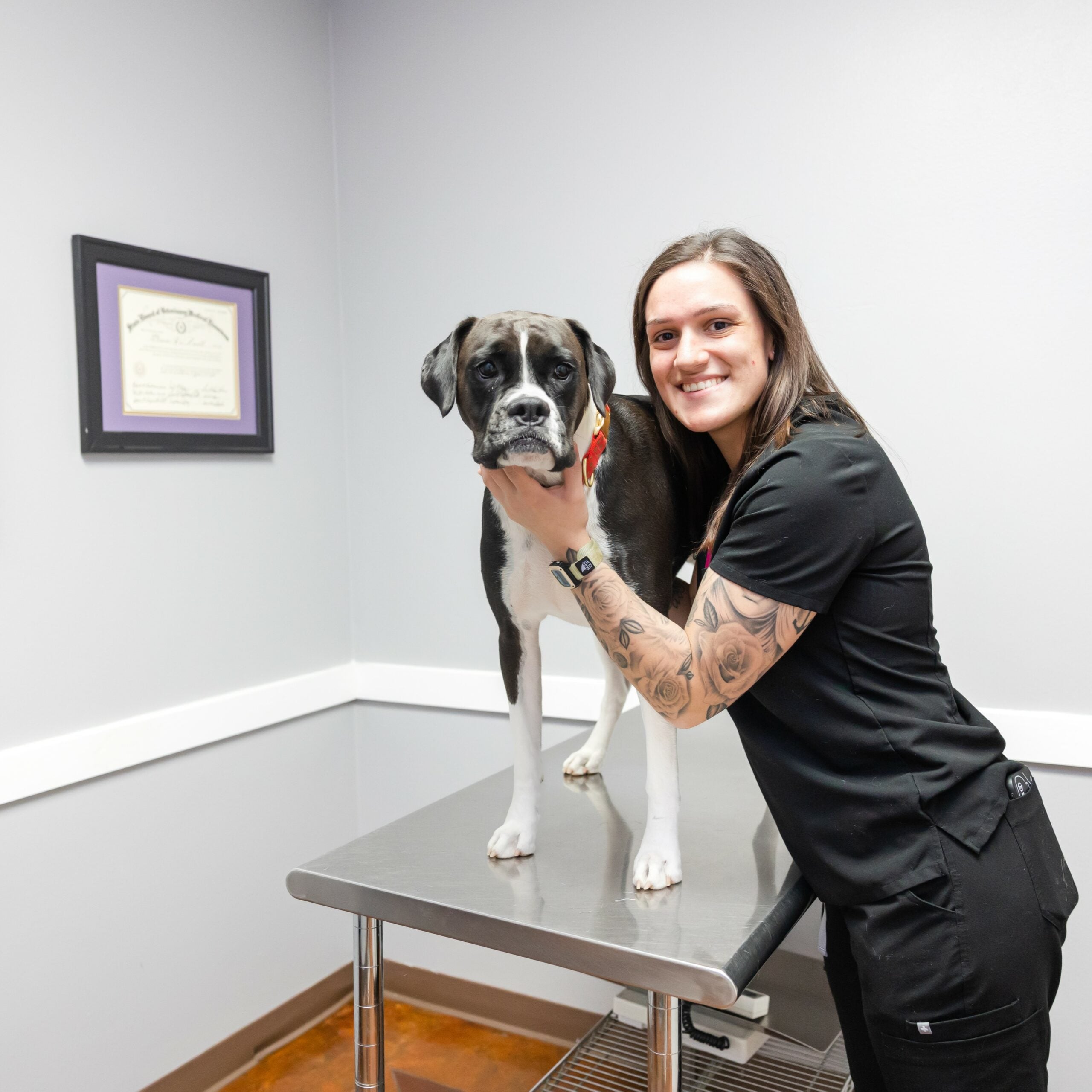
Understanding the landscape means looking beyond polished websites and friendly faces. It means asking for real-world signals: how the clinic schedules appointments and emergencies, how they communicate treatment plans, and how they manage preventive care over the life of a pet. The prairie landscape of veterinary care has matured significantly in recent years, with clinics expanding hours, refining anesthesia protocols, and investing in diagnostic technology. Yet the core of trust remains personal. You trust your veterinarian to notice subtle changes in a pet’s behavior, to interpret test results with honesty, and to respect your family’s budget and values.
What to expect when you start your search
Beginning your search for a reliable vet near you should feel pragmatic rather than mysterious. Start by mapping your priorities. Are you prioritizing easy access and flexible hours? Do you want a clinic that offers extensive preventive services, dental care, or in-house diagnostics? Do you need boarding or daycare options for travel days? In Prairieville, Prairieville Animal Hospital often comes up in conversations about accessibility and breadth of services, and the reputation around town reflects a clinic that has consistently served families with transparent care plans and thoughtful recommendations.
From a practical standpoint, you want a clinic that feels organized and communicative from the first call. The intake process should be straightforward, with clear information about vaccines, wellness plans, and pricing. The front desk is often the first touchpoint; what you observe there tends to mirror how the rest of the clinic operates. If the staff can answer questions with patience and specificity, that bodes well for how they will handle core medical matters later. A clinic that maintains regular, honest communication with you about costs and expected outcomes helps you plan for your pet’s future rather than reacting to emergencies with surprise.
The value of a community-centered perspective
Communities often reveal the true character of a veterinary practice. In smaller regions like Prairieville, clinics that engage with nearby shelters, rescue groups, and local pet events build a level of trust that transient, one-off care cannot replicate. A clinic that participates in low-cost vaccine clinics, or that offers senior pet care workshops, demonstrates a commitment to preventive health and not just episodic visits. This kind of involvement matters because it signals long-term thinking about animal wellness rather than a focus on quick revenue. When a clinic knows your neighborhood and its common pet types, the advice you receive tends to be more grounded and practical.
What counts as reliable care
Reliability in veterinary medicine is not a single feature but a constellation. It includes comprehensive preventive care, the ability to respond quickly in emergencies, and the sophistication of diagnostic tools. It includes the technical competence demonstrated by the veterinarians and the consistency of the support staff. It also includes a clinic’s ethical stance on medical decisions, such as when to pursue testing and how to discuss prognosis with pet owners. In real world terms, reliability means you can expect timely vaccinations, clear explanations for any recommended tests, and a reasonable plan if a diagnosis turns up something unexpected.
In practice, you will notice reliability in concrete ways. Scheduling should be flexible enough to accommodate a typical busy household. The clinic should have after-hours or on-call coverage for urgent concerns, or at least a clear protocol for directing you to the appropriate resource. Diagnostics should be performed with careful attention to the pet’s comfort and safety, and results should be explained in plain language with a documented plan. Reliable clinics maintain records that allow you to track weight, vaccines, dental health, and chronic conditions across visits so you do not start from scratch each time.
The value proposition of Prairieville Animal Hospital

Prairieville Animal Hospital occupies a distinctive place in the local ecosystem. For many families, the clinic is more than a place to treat illness; it is a trusted adviser for daily decisions about feeding, exercise, and preventive routines. The hospital’s approach to preventive pet care emphasizes routine wellness exams, vaccinations, parasite control, dental health, and behavioral support. This is not about selling a service but about supporting a pet’s well-being in a measurable, ongoing way.
In the real world, this approach translates into practical outcomes. Clients report fewer urgent visits when preventive care is steady and routine. They see changes in appetite, energy, or mobility at early stages, which allows for timely adjustments in treatment or lifestyle. Senior pets benefit from a planned care strategy that prioritizes comfort, mobility, and quality of life. These are not abstract promises; they show up in the clinic’s weekly workflow, in the way staff remind clients about wellness checks, and in the readiness to discuss options that balance care quality with budget realities.
Two elements that often distinguish a reliable practice are governance and continuity. Governance refers to how a clinic codifies medical ethics, safety protocols, and quality assurance. It includes how veterinarians document and review decisions, how the hospital handles consent for procedures, and how it communicates with clients when plans shift. Continuity refers to the ability to maintain a stable team that knows your pet across years and visits. When a clinic can sustain knowledgeable technicians, nurses, and doctors who understand your pet’s history, you gain not just consistent medical decision-making but also a human touch that reduces stress for you and your animal.
A note on affordability and value
Affordability is never the sole measure of value, but it matters for everyday life. A reliable clinic will present you with options that respect your budget while maintaining medical integrity. You should expect transparent pricing for vaccines, diagnostics, anesthesia, and routine services. When a clinic offers package plans for preventive care, it helps you budget without sacrificing care quality. It is perfectly reasonable to ask for a cost breakdown for a recommended test or procedure and to discuss alternative approaches that align with your pet’s risk profile and your family’s finances. A trusted clinic will work with you to maximize value without compromising outcomes.
The realities of urgent care and emergencies
Even the most proactive pet owners will encounter emergencies. A dependable clinic will provide clear guidance about how to access urgent care, what the expected wait times might be, and how they coordinate with neighboring hospitals if your pet requires advanced care beyond routine capabilities. In my experience, the best clinics publish a concise plan for emergencies, including what to do after hours and how to triage at home when the clinic cannot be reached immediately. The right clinic will avoid creating a false sense of security; instead, it will prepare you with practical steps, honest appraisal, and a path forward when the unexpected happens.
Practical steps to evaluate a clinic you’re considering
When you begin evaluating options, a few concrete steps help you assemble a reliable picture. First, observe the clinic’s environment. Clean rooms, well-organized drug cabinets, and a calm reception area all signal that safety and efficiency are prioritized. Next, talk to the staff about their training and the clinic’s philosophy toward preventive care. Ask about how they handle pain management in older pets, how they approach dental health, and what a typical wellness exam entails. You want to hear specifics rather than vague assurances. Third, request a tour if possible. A quick walk through the exam rooms, kennels, and surgery suite can reveal a lot about workflow, cleanliness, and the level of care provided to animals under anesthesia.
If you prefer a more structured approach, consider the following practical checkpoints. You can use these as conversation prompts when you call or visit:
- Availability for new clients and preferred appointment windows
- Clarity of the preventive care plan and what it covers
- Range of in-house diagnostics versus external referrals
- Experience with senior pet care and chronic conditions
- Communication style and documentation practices
- Comforting handling of anxious or fractious pets
- Clear pricing, including vaccines and routine services
- After-hours coverage and emergency protocols
- Pet boarding options and the terms of care during boarding
- Community involvement and client education initiatives
Two concise lists to guide your decision
-
How to assess a clinic’s preventive approach 1) Routine physical exams and weight monitoring 2) Comprehensive vaccination schedules tailored to the pet 3) Dental care emphasis and dental radiographs when indicated 4) Parasite prevention and screening for common local concerns 5) Clear, proactive care plans for aging pets
-
Questions to ask during a first in-person visit 1) How do you handle chronic conditions and treatment plan adjustments? 2) What are the expectations for hospitalization or after-hours care? 3) How is pain managed during exams and procedures? 4) What is your policy on cost estimates and consent? 5) Can you provide a written summary of the visit and future steps?
What you gain when you choose right
The right veterinary partner integrates care across the life of your pet. You gain a clinician who understands you are balancing health needs, time constraints, and financial considerations. You gain a team that anticipates issues before they become problems, offering preventive measures that feel practical rather than punitive. You also gain a sense of empowerment. You are not merely responding to illness but actively shaping your pet’s well-being with informed options and a cooperative mindset. In a good clinic, you witness the surgeon, the nurse, and the receptionist all working from a shared understanding of what your family needs. The outcome is fewer miscommunications, fewer redundancies, and more opportunities to celebrate the bond you share with your animal.
Diving into the specifics: services you should expect
A well-rounded clinic delivers more than vaccines. It should provide a spectrum of services that covers everyday health, mobility, dental health, diagnostic accuracy, and end-of-life considerations with dignity and honesty. In Prairieville, you may find a clinic that combines accessible care with robust in-house capabilities. A typical menu includes annual wellness exams, vaccination protocols tailored to species and age, parasite management, and screening tests that flag issues early. If your pet has mobility limitations, a clinic that offers physical therapy or acupuncture may be a meaningful addition. For dental health, expect routine cleanings, dental radiographs, extractions if necessary, and guidance on home dental care. For those with senior pets, there emergency vet prairieville should be a structured senior care plan that aligns with your goals for comfort, activity, and cognitive health.
A humane approach to diagnostics and treatment planning
When tests are recommended, you should expect a careful explanation of what the results mean and how they influence the plan. A responsible clinic avoids jargon and ensures you feel included in the decision. This is not simply about pushing tests; it’s about using data to tailor an approach to your pet’s unique circumstances. For example, if a senior dog shows slight evidence of kidney stress, the conversation should include dietary adjustments, hydration strategies, and the possibility of follow-up testing to monitor progression. A clinic that demonstrates this kind of nuance earns long-term trust because you see the difference between a generic recommendation and a personalized care plan.
Boarding and day care: extra considerations
If boarding services are part of the care ecosystem, you want to know how your pet will be handled in your absence. Boarding can be a valuable service but also a potential source of stress for a sensitive animal. Look for things like quiet kennels, a routine that mirrors home life as much as possible, and attention to special needs such as medications or dietary restrictions. The staff should be able to communicate clearly about the schedule, playtime, and any health checks that occur during boarding. In the best cases, boarding pairs with preventive care reminders so you return to a pet that is rested, healthy, and up to date on vaccines.
An anecdote from the field
I recall a conversation with a family that recently moved to the area. Their senior cat had been a bit more lethargic and showed a slight change in appetite. The clinic they visited had a calm, methodical approach to the exam. The veterinarian explained the possible causes for the changes and walked the family through a plan that included a small change in diet, a blood panel, and a follow-up appointment in four weeks. The client appreciated the straightforward language, the transparency about costs, and the predictable timeline. The situation did not require dramatic intervention, but the clear plan offered relief and clarity. In another instance, a dog with chronic arthritis benefited from a combination of weight management, a tailored exercise plan, and targeted pain management, all coordinated by a clinic that followed the patient across visits with a consistent team. The throughline in both scenarios is not novelty; it is reliability and responsiveness to real-life needs.
Decoding the sooner-versus-later decisions
There is a delicate balance in preventive care and early intervention. Some clients worry about over-testing, while others fear missing subtle signals of disease. The best clinics translate risk into practical steps. They present a default path that emphasizes routine health maintenance while leaving room for customization based on age, breed, activity level, and medical history. In the end, it is about reducing the chance of urgent, costly issues by catching them early, or by managing chronic conditions before they escalate.
Tailoring to your pet: a practical framework
To make this approach work for your family, you should think of your pet in three dimensions: age, activity, and medical history. Age determines the frequency of wellness exams and the necessity for certain screenings. A highly active young dog might require different dental and orthopedic attention than a couch-bound older dog. Medical history informs how aggressively you pursue diagnostics, how to interpret test results, and how to navigate potential drug interactions or side effects. A reliable clinic will help you translate these dimensions into a calendar that aligns with your life, not against it.
The value of continuity in care
Continuity is not a buzzword; it is a practical advantage. When your clinic sees your pet across seasons and through changes in health status, they accumulate a tacit knowledge that can be decisive in subtle situations. A clinician who remembers your pet’s temperament during exams, who notes previous responses to medications, and who keeps you informed about changes in recommended protocols becomes a partner rather than a distant advisor. In a world crowded with options, continuity often translates into better outcomes, less stress for your pet, and clearer guidance for you.
Final reflections on finding a reliable vet near me
The search for a reliable vet near Prairieville requires patience and discernment. It is not about chasing the latest service or the flashiest facility; it is about ensuring that a clinic can partner with you for the life of your pet. A clinic with a solid reputation tends to exhibit consistency in how it treats animals, a thoughtful approach to preventive care, and a clear, humane approach to difficult decisions. It often looks like a team that communicates well, a facility that is clean and organized, and a willingness to tailor care to your family’s needs without a one-size-fits-all answer.
If you are weighing Prairieville Animal Hospital as a candidate, bring your questions, observe how they listen, and consider the long arc of care you hope to build with them. You will likely find that the process of evaluating a clinic becomes less about a single appointment and more about the ongoing rhythm of care. The right choice is where you feel heard, supported, and confident that your pet is in competent hands, with a team that sees you as a partner in your animal’s health journey.